

Checklist 9 Bước Thi Công Nhanh "Tấm Bê Tông Nhẹ Làm Sàn" √ Giá Tấm Bê Tông Nhẹ Làm Sàn Bao Nhiêu...
Read More
Lý do nào tấm xi măng giả gỗ được ưa chuộng tại các tỉnh ở khu vực Tây Nguyên (Đăk Nông, Đăk Lăk, Gia Lai, Kon Tum, Lâm Đồng) ?
Chúng ta hãy cùng nhau tìm hiểu & khám phá chi tiết hơn nhé:
I. Xi măng giả gỗ là gì?
Xi măng giả gỗ là một loại vật liệu xây dựng được làm từ hỗn hợp xi măng, sợi cellulose, và các chất phụ gia khác. Sợi cellulose có vai trò tăng cường độ bền và dẻo dai cho vật liệu. Nó được tạo ra để trông giống hệt như gỗ tự nhiên, từ màu sắc đến vân gỗ. Tuy nhiên, vật liệu này lại có độ bền và khả năng chống chịu thời tiết vượt trội hơn rất nhiều so với gỗ thật.
II. Lý do tấm xi măng giả gỗ được ưa chuộng tại khu vực Tây Nguyên (Lâm Đồng, Đăk Nông, Đăk Lăk, Gia Lai, Kon Tum)
1. Xu hướng sở hữu ngôi nhà thứ hai để nghỉ dưỡng.
Nhiều người Sài Gòn có điều kiện kinh tế thường có xu hướng muốn sở hữu một ngôi nhà thứ hai ở Tây Nguyên để làm nơi nghỉ dưỡng để tận hưởng cuộc sống vào dịp cuối tuần hoặc lễ Tết. Nên các tỉnh ở khu vực Tây Nguyên là lựa chọn cho xu hướng này.
Thị trường BĐS tiềm năng với giá đất còn tương đối thấp, nhu cầu đầu tư đất nền hoặc các khu nghỉ dưỡng, du lịch để sinh lời trong tương lai.
2. Khí hậu & độ bền
Khí hậu các tỉnh khu vực Tây Nguyên có những đặc thù riêng: nắng nóng gay gắt, mưa lớn kéo dài, độ ẩm cao. Gỗ tự nhiên, dù đã qua xử lý cũng khó tránh khỏi tình trạng cong vênh, mối mọt, mục nát theo thời gian.
Chính vì lẽ đó, tấm xi măng giả gỗ, với thành phần cấu tạo đặc biệt (xi măng, sợi cellulose, phụ gia…), thể hiện khả năng miễn nhiễm với các tác nhân này. Sản phẩm không gây hư hại hay biến dạng bởi côn trùng, thời tiết, giúp thời gian sử dụng của công trình lâu dài, bền bỉ hơn.
Độ bền của tấm xi măng giả gỗ còn giúp giảm thiểu chi phí bảo trì, sửa chữa (thường khá tốn kém do các công trình nằm trên các vị trí cao, vận chuyển khá phức tạp,…). Đây là một yếu tố quan trọng, đặc biệt đối với các khu nghỉ dưỡng, homestay, nơi việc duy trì chất lượng cơ sở vật chất luôn được ưu tiên hàng đầu.
3. Nhiều mẫu mà, đa dạng phong cách
Tấm xi măng giả gỗ không chỉ có kiểu dáng bề ngoài giống gỗ tự nhiên, mà được các nhà sản xuất cho ra nhiều sản phẩm với nhiều kiểu vân khác nhau (vân Teak, vân Straigh, vân Cassia,…). Điều này giúp các nhà thi công, các kiến trúc sư thoải mái cho sự sáng tạo riêng theo từng style của khách hàng, tạo ra những không gian nghỉ dưỡng cuốn hút hơn & tạo dấu ấn cá nhân của gia chủ.

Hơn nữa, vẻ đẹp tự nhiên, mộc mạc của tấm xi măng giả gỗ hài hòa với cảnh quan núi rừng Tây Nguyên. Các khu nghỉ dưỡng, homestay hoặc các nhà lắp ghép theo modul có sẵn sử dụng vật liệu này không chỉ mang đến cảm giác ấm cúng, gần gũi cho gia chủ cũng như du khách mà còn góp phần tạo nên một không gian nghỉ dưỡng xanh, thân thiện với môi trường.
4. Giá thành thấp, tiết kiệm chi phí.
So với gỗ tự nhiên, đặc biệt là các loại gỗ quý hiếm, tấm xi măng giả gỗ có giá thành thấp hơn nhiều. Bên cạnh chi phí đầu tư ban đầu, việc sử dụng tấm xi măng giả gỗ còn mang lại hiệu quả kinh tế lâu dài nhờ vào độ bền cao, ít phải bảo trì, sửa chữa.
III. Các loại tấm xi măng giả gỗ được sử dụng phổ biến tại Lâm Đồng, Đăk Nông, Đăk Lăk, Gia Lai, Kon Tum.
1. Tấm xi măng giả gỗ lót sàn nội ngoại thất
Đặc điểm:
- Đối với ứng dụng lót sà thường có độ dày lớn hơn (25mm) để chịu lực tốt, chống cong vênh.
Bề mặt có thể được sản xuất & xử lý để tăng độ ma sát, chống trơn trượt, phù hợp với các khu vực ngoài trời hoặc có độ ẩm cao.
Ứng dụng:
- Lót sàn nhà ở, biệt thự, căn hộ, nhà hàng, khách sạn,…
- Lót sàn sân vườn, ban công, lối đi hồ bơi,…
Hình ảnh: Tấm xi măng giả gỗ SHERA Floor Plank, vân Cassia độ dày 25x150x3000mm ứng dụng lót sàn nội thất
2. Tấm xi măng giả gỗ ốp tường ngoài trời
Đặc điểm:
- So với ứng dụng lót sàn, ốp tường thường mỏng nhẹ, có nhiều độ dày & kích thước hơn (thường có độ dày 8mm – 10mm). Đa dạng kích thước (100x3000mm, 150x3000mm, 200x3000mm hoặc 220x3000mm, để dễ dàng thi công và lắp đặt. Đa dạng về mẫu mã vân gỗ (vân Teak, Straigh,…)
Ứng dụng:
- Ốp tường nội thất, ngoại thất nhà ở, công trình công cộng,…
- Trang trí mặt tiền, ban công, tường rào,…
- Làm vách ngăn, ốp trần nhà,…
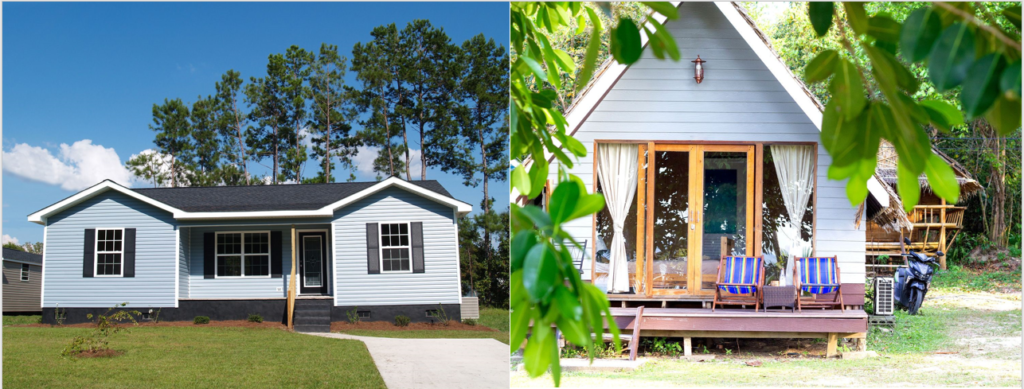
Hình ảnh: Mẫu nhà lắp ghép theo modul, homeStay đang lựa chọn tấm xi măng giả gỗ, SHERA Plank ốp tường ngoài trời.
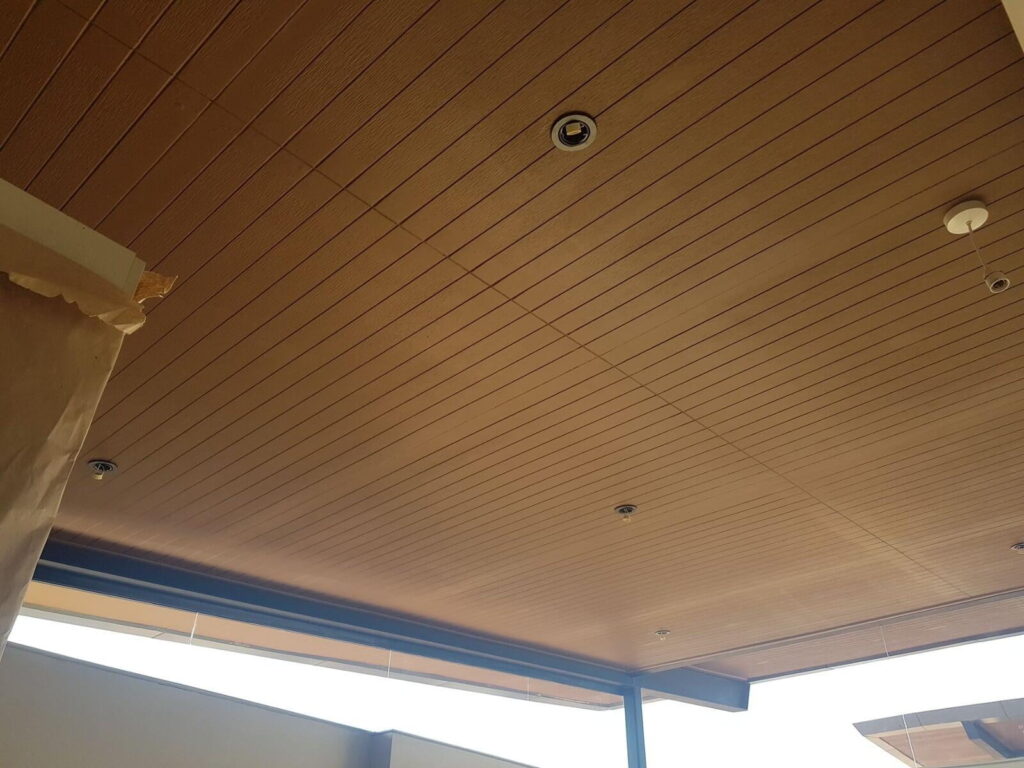
3. Tấm xi măng giả gỗ ốp trần nội ngoại thất
Đặc điểm:
- Với ứng dụng ốp trần yêu cầu tấm xi măng có trọng lượng nhẹ (2.7kg – 3.5kg/thanh), điều này nên chú trọng hàng đầu, giúp giảm tải cho hệ khung xương, đảm bảo an toàn khi sử dụng.
- Tính chống nóng, chống cháy, chống ố vàng đều vượt trội hơn vật liệu cùng ứng dụng (thạch cao, tấm ốp nhựa PVC,…)
- Đa dạng về mẫu mã, màu sắc, vân gỗ, tạo sự sang trọng cho thiết kế trần.
Ứng dụng:
- Ốp trần nhà ở, biệt thự, căn hộ,
- Ốp trần sảnh toàn nhà văn phòng, nhà hàng, khách sạn
- Trang trí trần ban công, mái hiên bên ngoài, lam che nắng,…
IV. Bảng giá tấm xi măng giả gỗ tại Đăk Nông, Đăk Lăk, Gia Lai, Kon Tum, Lâm Đồng.
-
Giá tấm xi măng giả gỗ ốp tường
| Sản phẩm | Kích thước (mm) | Trọng lượng (kg) | Giá (vnđ) |
|
Tấm xi măng giả gỗ ốp tường (Vân gỗ Teak, Straigh (xớ gỗ/ vân xước, vát cạnh) |
8 x 150 x 3000 | 5.38 | 85,000 |
| 8 x 200 x3000 | 7.2 | 95,000 |
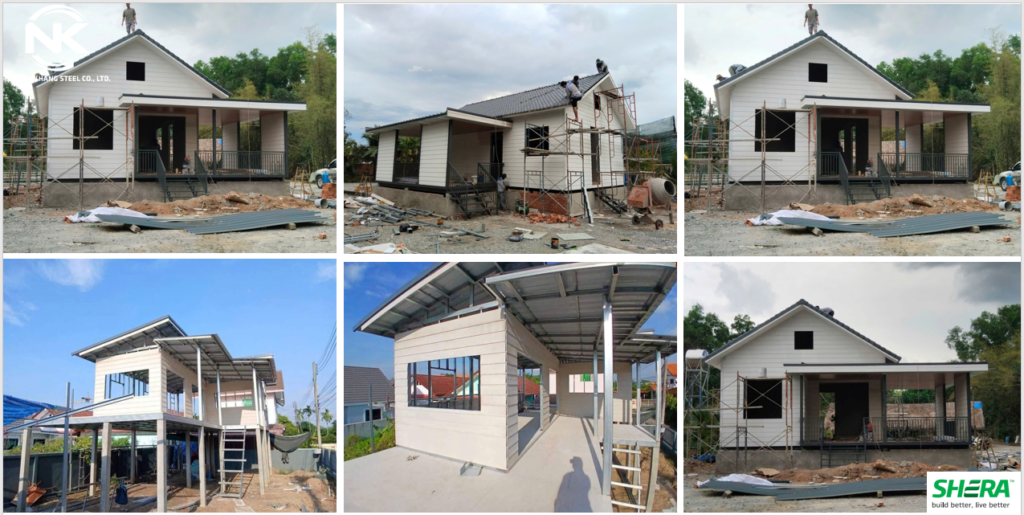
Hình ảnh: Công trình nhà lắp ghép bằng thanh xi măng giả gỗ ốp tường, SHERA Plank của khách hàng ở khu vực Đăk Nông.
-
Giá tấm xi măng giả gỗ hèm khóa
| Sản phẩm | Kích thước (mm) | Trọng lượng (kg) | Giá (vnđ) |
|
Tấm xi măng giả gỗ hèm khóa (Straigh (xớ gỗ/ vân xước) |
10 x 220 x 3000 (DL00) | 8,93 | 160,000 |
| 10 x 220 x 3000 (DL01) | 8,77 | 160,000 | |
| 10 x 220 x 3000 (DL02) | 8,60 | 160,000 | |
| 10 x 220 x 3000 (DL05) | 8.12 | 160,000 | |
| 10 x 220 x 3000 (DX12) | 8,44 | 170,000 |
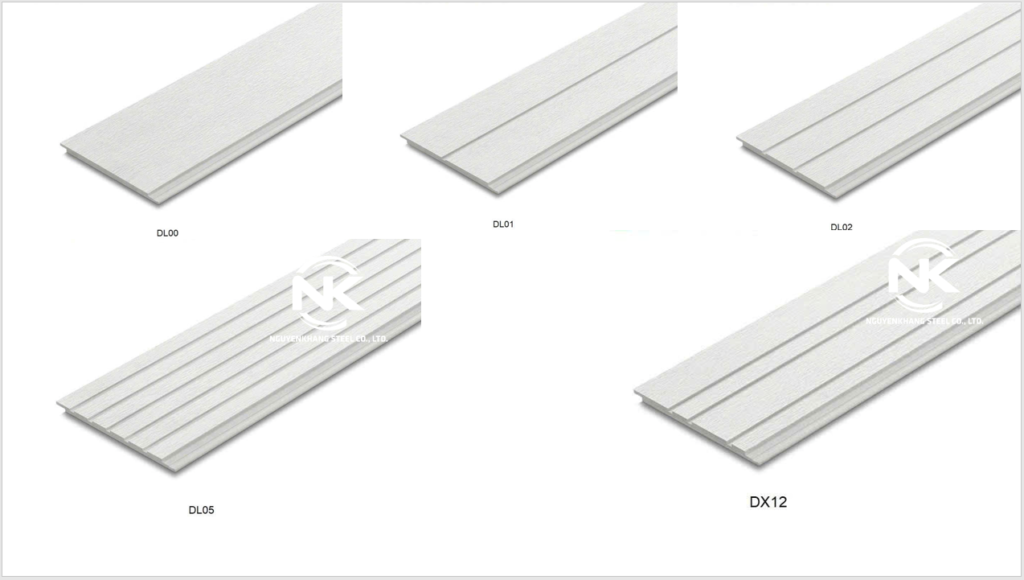
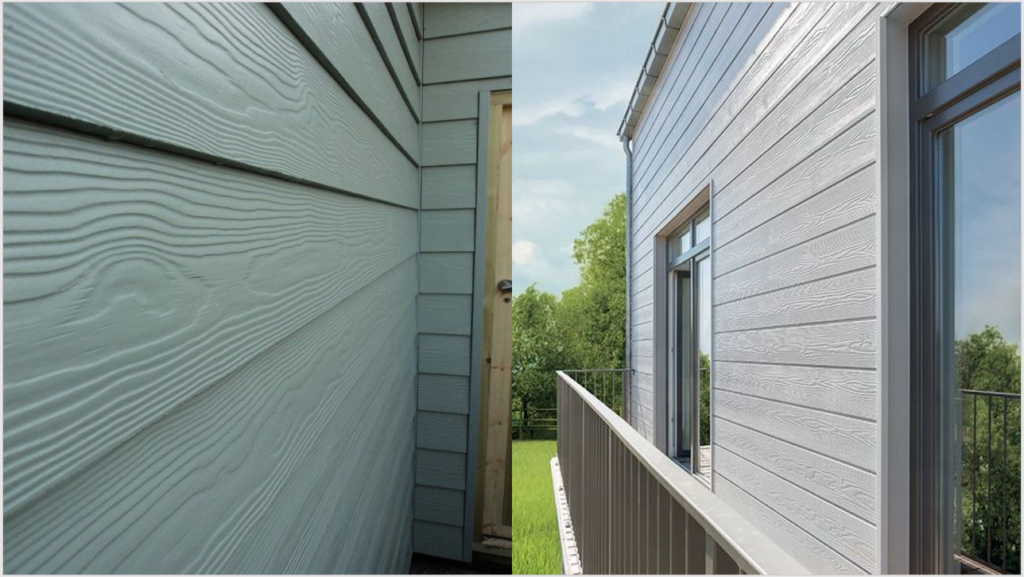
Hình ảnh: Tấm xi măng giả gỗ hèm khóa, sản phẩm đang được ưa chuộng nhất hiện nay
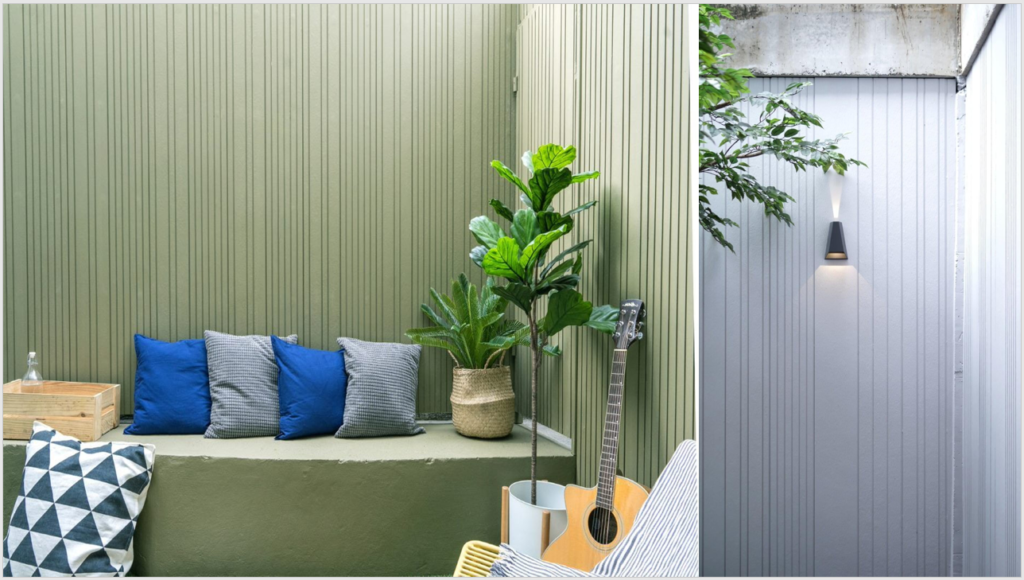
Hình ảnh: Tấm xi măng giả gỗ hèm khóa, được ứng dụng ốp tường nội thất, Mã: DL05 với DX12
-
Giá tấm xi măng giả gỗ lót sàn ngoài trời
| Sản phẩm | Kích thước (mm) | Trọng lượng (kg) | Giá (vnđ) |
|
Tấm xi măng giả gỗ lót sàn (Vân gỗ Cassia, sơn sẵn) |
25 x 150 x3000 | 17.75 | 430,000 |
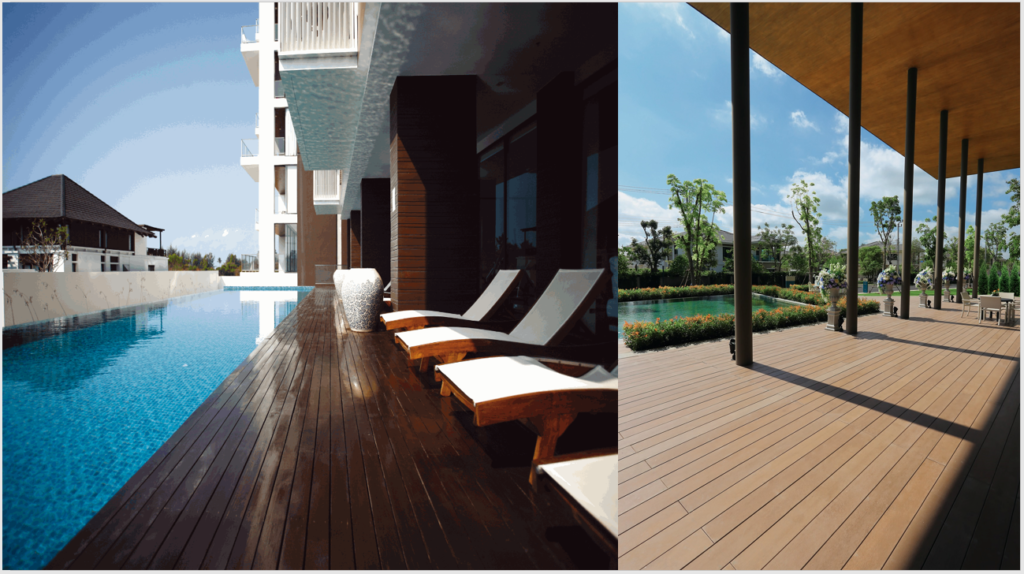
Hình ảnh: Tấm xi măng giả gỗ lót sàn lối đi hồ bơi
-
Giá tấm xi măng giả ốp trần
| Sản phẩm | Kích thước (mm) | Trọng lượng (kg) | Giá (vnđ) |
|
Tấm xi măng giả gỗ ốp trần (Vân gỗ Teak, Straigh (xớ gỗ/ vân xước, vát cạnh) |
8 x 75 x 3000 | 2.7 | 65,000 |
| 8 x 100 x3000 | 3.6 | 75,000 |
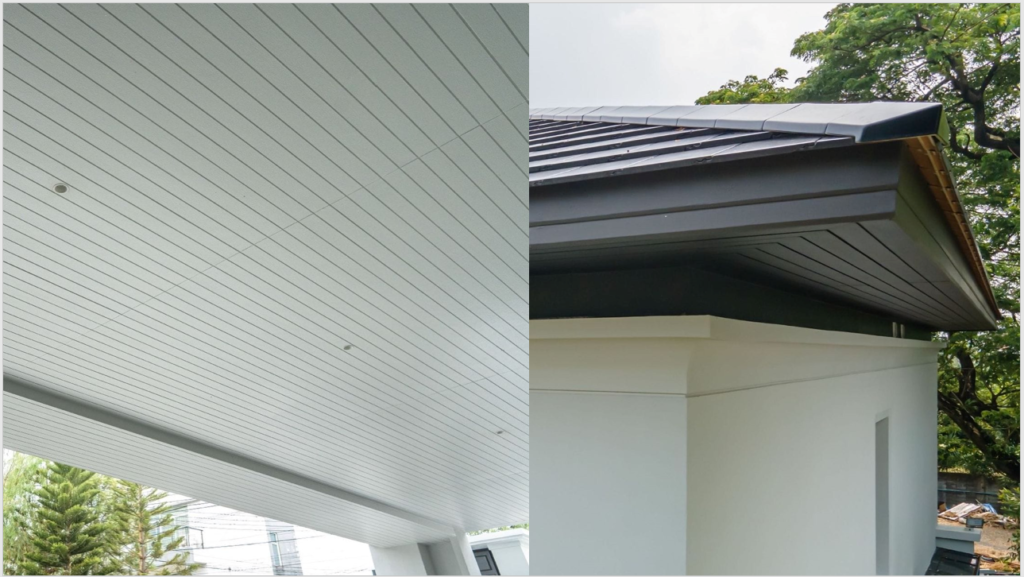
Hình ảnh: Tấm xi măng giả gỗ ốp trần, ốp mái hiên ngoài trời.
LƯU Ý:
- Đối với khách hàng có nhu cầu tấm xi măng giả gỗ SHERA Wood thì Nguyên Khang Steel có chính sách chiết khấu tùy thuộc vào giá trị đơn hàng. Bảng giá trên chỉ mang tính chất tham khảo
- Để biết rõ về chính sách giá sỉ bạn nên liên hệ trực tiếp tại website: sheraboard.vn hoặc gọi điện thoại trực tiếp qua Hotline: 0932 670 770 để được tư vấn chính xác và nhận ưu đãi tốt nhất nhé !
GHI CHÚ:
- Giá trên đã bao gồm thuế VAT (8%)
- Bảng giá áp dụng giá tại tổng kho Nguyên Khang Steel tại Bình Dương – Cần Thơ và chưa bao gồm chi phí vận chuyển & chi phí bốc xếp.
V. Địa chỉ cung cấp tấm xi măng giả gỗ uy tín – chính hãng Thái Lan
NGUYÊN KHANG STEEL tự hào là nhà nhập khẩu và phân phối chính thức tấm SHERA Board/ tấm xi măng giả gỗ SHERA Wood của Tập Đoàn Mahaphant Thái Lan, sản phẩm SHERA được sản xuất trực tiếp tại nhà máy Thái Lan, đủ điều kiện tiêu chuẩn chất lượng xuất đi các nước Châu Âu & các nước nằm trong khu vực Đông Nam Á.
Hiện tại, chúng tôi đang có nhu cầu tìm kiếm các đối tác có đủ năng lực để hợp tác, phân phối và kinh doanh các sản phẩm: Tấm Cemboard SHERA SÀN – VÁCH – TRẦN, Tấm xi măng giả gỗ (hay tấm Cemboard giả gỗ), Straigh (xớ gỗ/ vân xước), vân gỗ (Teak), vân Cassia nâu đỏ,…
Tại các tỉnh: Đà Nẵng, Quảng Nam, Quảng Ngãi, Bình Định, Phú Yên, Khánh Hòa, Lâm Đồng, Đăk Lăk, Đăk Nông, Gia Lai, Kon Tum, Ninh Thuận, Bình Thuận, Đồng Nai, Bình Dương, Tp. Hồ Chí Minh, Vũng Tàu, Tây Ninh, Bình Phước, Long An, Tiền Giang, Bến Tre, Vĩnh Long, Cần Thơ, Hậu Giang, An Giang, Kiên Giang, Đồng Tháp, Bạc Liêu, Sóc Trăng, Trà Vinh, Cà Mau,.
CÔNG TY TNHH SẮT THÉP NGUYÊN KHANG
- Văn phòng: 67/11/15 Nguyễn Thị Tú, P. Bình Hưng Hòa B, Q. Bình Tân, TP. Hồ Chí Minh.
- Tổng Kho Tại Miền Đông: Lô 01, Đường số 9, Tổng Kho Đặng Huỳnh Sóng Thần 1, TP. Dĩ An, T. Bình Dương.
- Tổng Kho Tại Miền Nam: QL 61C, Q. Cái Răng, TP. Cần Thơ, T. Cần Thơ.
- Điện thoại: 0932 670 770
- Website: sheraboard.vn – sherawood.com
- Email: satthepnguyenkhang@gmail.com
- Tấm xi măng giả gỗ tại Lâm Đồng: Đà Lạt, Di Linh, Đức Trọng, Bảo Lộc, Lâm Hà, Bảo Lâm, Đơn Dượng, Đam Rông, Đạ Tẻh, Cát Tiên, Đạ Oai, Lạc Dương.
- Tấm xi măng giả gỗ tại Đăk Nông: Gia Nghĩa, Cư Jut, Đăk Glong, Đăk Mil, Đăk Rlấp, Đăk Song, Krông Nô, Tuy Đức.
- Tấm xi măng giả gỗ tại Gia Lai: Pleiku, Ia Grai, Chứ Sê, Đăk Đoa, Chư Prông, Krông Pa, Đức Cơ, Phú Thiện, Păh, An Khê, Ayun Pa, Kbang, Mang Yang, Pưh, Ia Pa, Krông Chro, Đăk Pơ.
- Tấm xi măng giả gỗ tại Kon Tum: Đăk Hà, Ngọc Hồi, Sa Thầy, Đăk Glei, Đăk Tô, Kon Rẫy, Tu Mơ Rông, Kon Plông, Ia H’Drai
What Casizoid Reveals About Canadian Online Gambling Licensing Requirements
The Canadian online gambling landscape has undergone dramatic transformation over the past decade, with provincial regulations creating a complex web of licensing requirements that operators must navigate. Casizoid, a prominent player in the Canadian iGaming sector, offers valuable insights into how these licensing frameworks function in practice. By examining Casizoid’s operational model and regulatory compliance strategies, we can better understand the intricate requirements that govern online gambling in Canada and the challenges operators face in this evolving market.
Provincial Jurisdiction and Regulatory Framework
Canada’s unique federal-provincial structure creates a distinctive regulatory environment for online gambling, where each province maintains authority over gaming within its borders. The Criminal Code of Canada provides the foundational framework, but provinces implement their own specific licensing requirements and operational standards. Casizoid’s experience navigating this system reveals the complexity operators encounter when seeking to establish legitimate operations across multiple jurisdictions.
The licensing process varies significantly between provinces, with some jurisdictions like Ontario implementing comprehensive regulatory frameworks through entities like the Alcohol and Gaming Commission of Ontario (AGCO), while others maintain more restrictive approaches. Casizoid’s compliance strategies demonstrate the necessity of understanding these provincial variations, as operators must often secure separate licenses or partnerships to serve customers across different regions legally.
British Columbia’s approach through the British Columbia Lottery Corporation (BCLC) exemplifies the monopolistic model some provinces have adopted, where online gambling services are provided exclusively through government-operated platforms. This contrasts sharply with Ontario’s open market approach, which allows private operators like Casizoid to obtain licenses and compete directly with government entities, provided they meet stringent regulatory requirements.
Compliance Requirements and Operational Standards
Casizoid’s operational framework illuminates the extensive compliance requirements that licensed operators must maintain to preserve their regulatory standing. These requirements encompass multiple areas including responsible gambling measures, anti-money laundering protocols, player protection standards, and technical system integrity. The platform’s implementation of these standards provides a practical example of how operators translate regulatory requirements into operational reality.
Player verification and age confirmation represent fundamental compliance elements that Casizoid must rigorously enforce. The platform employs sophisticated identity verification systems that exceed basic requirements, incorporating multiple verification layers to ensure compliance with Know Your Customer (KYC) regulations. This approach reflects the broader industry trend toward enhanced due diligence measures that regulators increasingly demand from licensed operators.
Financial transaction monitoring and reporting constitute another critical compliance area where Casizoid’s practices reveal regulatory expectations. Licensed operators must maintain detailed transaction records, implement suspicious activity reporting protocols, and ensure all financial operations comply with both gaming regulations and federal anti-money laundering legislation. The platform’s approach to these requirements demonstrates the operational complexity involved in maintaining regulatory compliance while providing seamless user experiences.
Looking ahead to Canadian online casinos 2025, the regulatory landscape is expected to continue evolving as provinces refine their approaches based on market performance and emerging challenges. Casizoid’s adaptive compliance strategies position it well for these anticipated changes, demonstrating how successful operators must remain flexible and responsive to regulatory developments.
Market Access and Licensing Challenges
The path to obtaining and maintaining gambling licenses in Canada presents numerous challenges that Casizoid’s experience helps illuminate. Initial license applications require extensive documentation covering everything from corporate structure and financial backing to technical system specifications and responsible gambling policies. The review process can extend for months, during which operators must demonstrate their ability to meet all regulatory requirements while maintaining operational readiness.
Geographic restrictions and market access limitations create additional complexity for operators seeking to serve Canadian customers. Casizoid’s approach to these challenges reveals how licensed operators must carefully structure their services to comply with provincial boundaries while maintaining operational efficiency. This often requires sophisticated geolocation systems and region-specific compliance protocols that can adapt to different provincial requirements in real-time.
Ongoing regulatory monitoring and license maintenance represent continuous challenges that extend well beyond initial approval. Casizoid’s compliance infrastructure demonstrates the resources operators must dedicate to maintaining regulatory standing, including regular reporting, audit compliance, and system updates to meet evolving standards. These ongoing requirements create significant operational overhead that smaller operators may struggle to manage effectively.
The financial requirements associated with licensing, including application fees, ongoing regulatory assessments, and compliance infrastructure investments, create substantial barriers to entry. Casizoid’s investment in compliance technology and personnel illustrates the scale of resources required to operate successfully within Canada’s regulated environment, highlighting why many operators choose to focus on specific provinces rather than pursuing nationwide coverage.
Technology and Security Standards
Technical compliance requirements represent a sophisticated aspect of Canadian online gambling licensing that Casizoid’s implementation helps clarify. Gaming systems must undergo rigorous testing and certification processes to ensure fairness, security, and reliability. The platform’s technical architecture demonstrates how operators must balance regulatory compliance with performance requirements to deliver competitive gaming experiences.
Data protection and privacy requirements have become increasingly stringent, with operators required to implement comprehensive cybersecurity measures and data handling protocols. Casizoid’s approach to these requirements reveals the extensive technical infrastructure necessary to protect player information while maintaining compliance with both provincial gaming regulations and federal privacy legislation. This dual compliance requirement creates unique challenges that operators must address through sophisticated technical solutions.
Random number generation and game fairness testing represent critical technical compliance areas where Casizoid’s practices demonstrate regulatory expectations. Licensed operators must use certified random number generators and submit to regular testing by approved third-party laboratories. The platform’s implementation of these systems illustrates the technical complexity involved in ensuring game integrity while maintaining the performance standards that players expect.
System monitoring and reporting capabilities must meet specific regulatory requirements for real-time oversight and historical analysis. Casizoid’s technical infrastructure demonstrates how operators must design systems that facilitate regulatory compliance while supporting business operations, creating integrated platforms that serve both regulatory and commercial objectives effectively.
Casizoid’s experience within Canada’s complex regulatory environment provides valuable insights into the practical realities of online gambling licensing requirements. The platform’s comprehensive approach to compliance, from initial licensing through ongoing operations, demonstrates both the challenges and opportunities within Canada’s evolving regulatory framework. As provinces continue refining their approaches to online gambling regulation, operators like Casizoid that have invested heavily in compliance infrastructure and adaptive operational strategies are well-positioned to navigate future regulatory developments while maintaining competitive market positions.